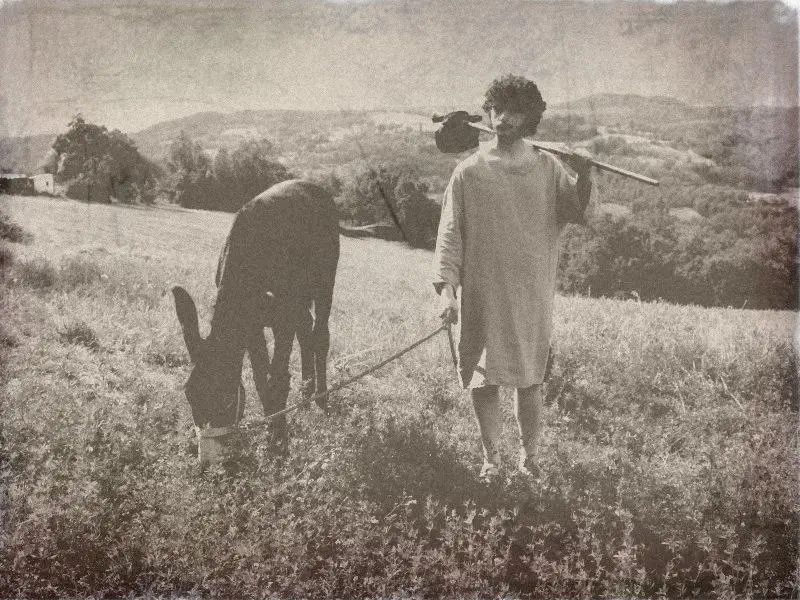
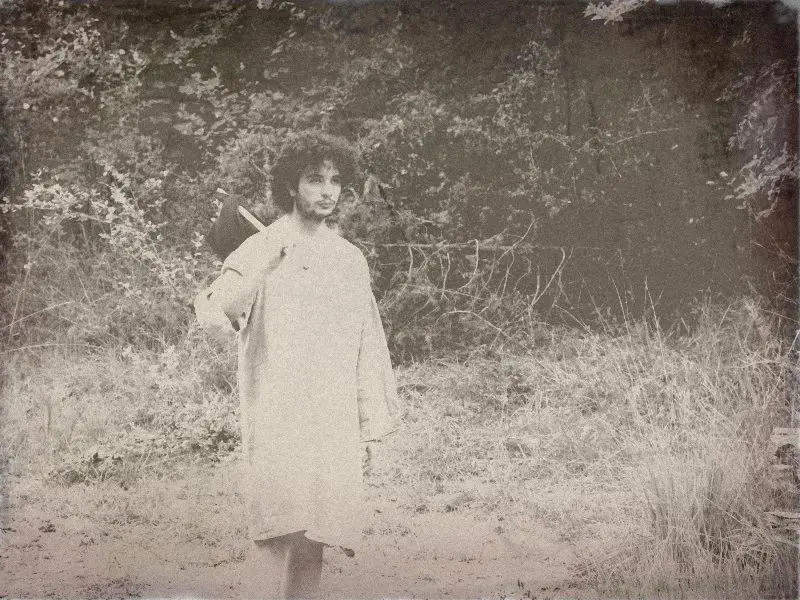
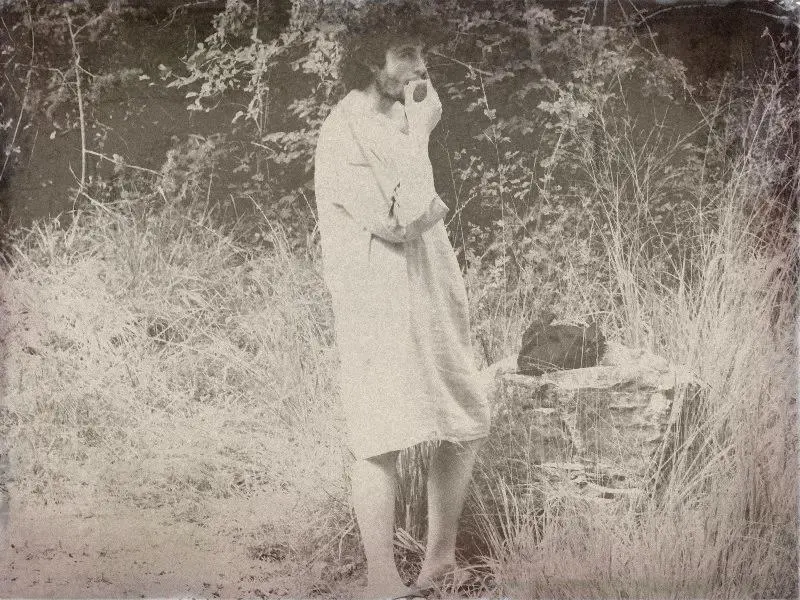
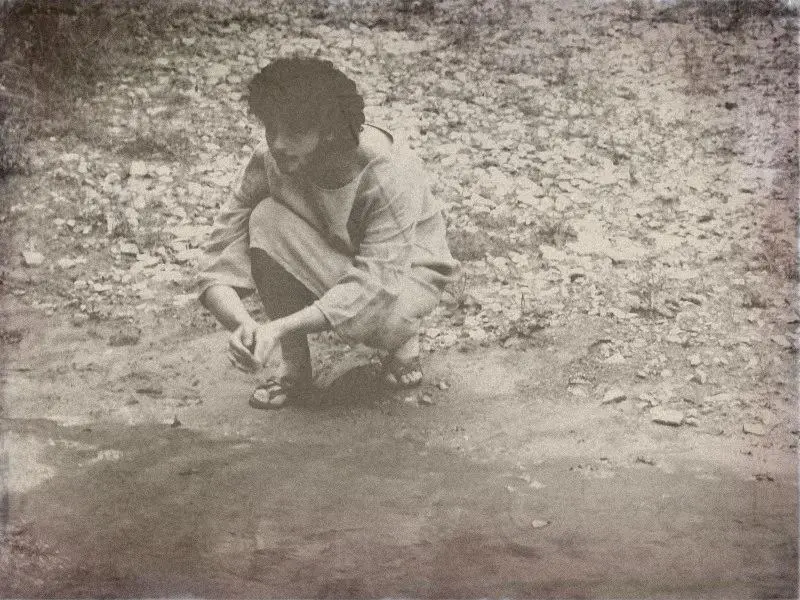
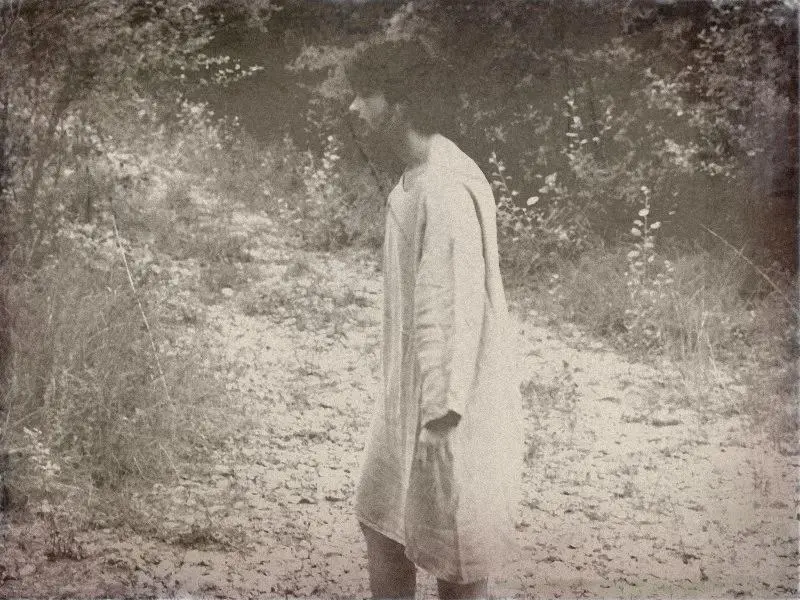
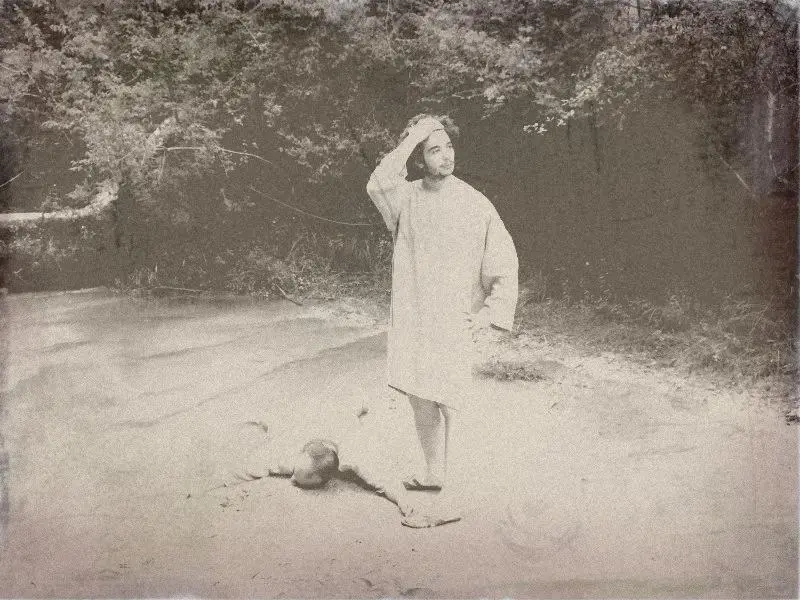
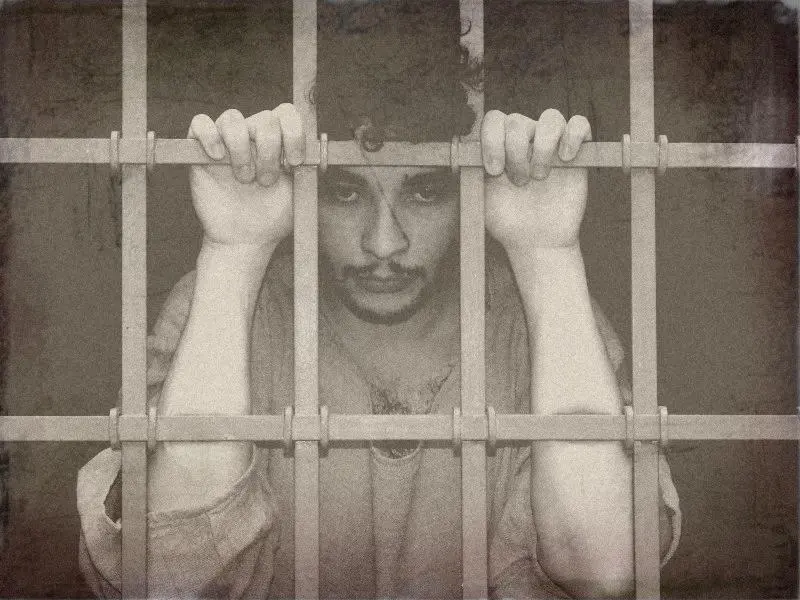
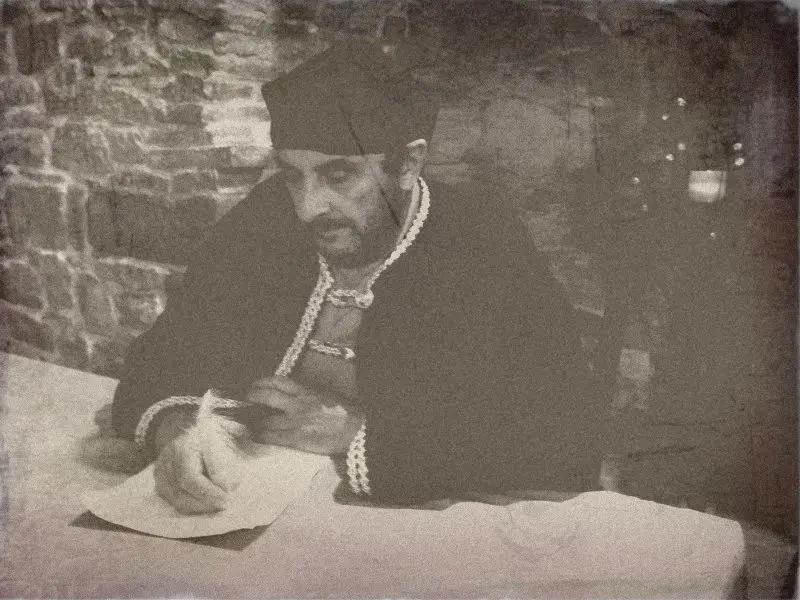
On September 11, 1334, a pilgrim named Giovanni di Lorenzo d'Arras,
originally from Picardy, in France, was traveling from Loreto to
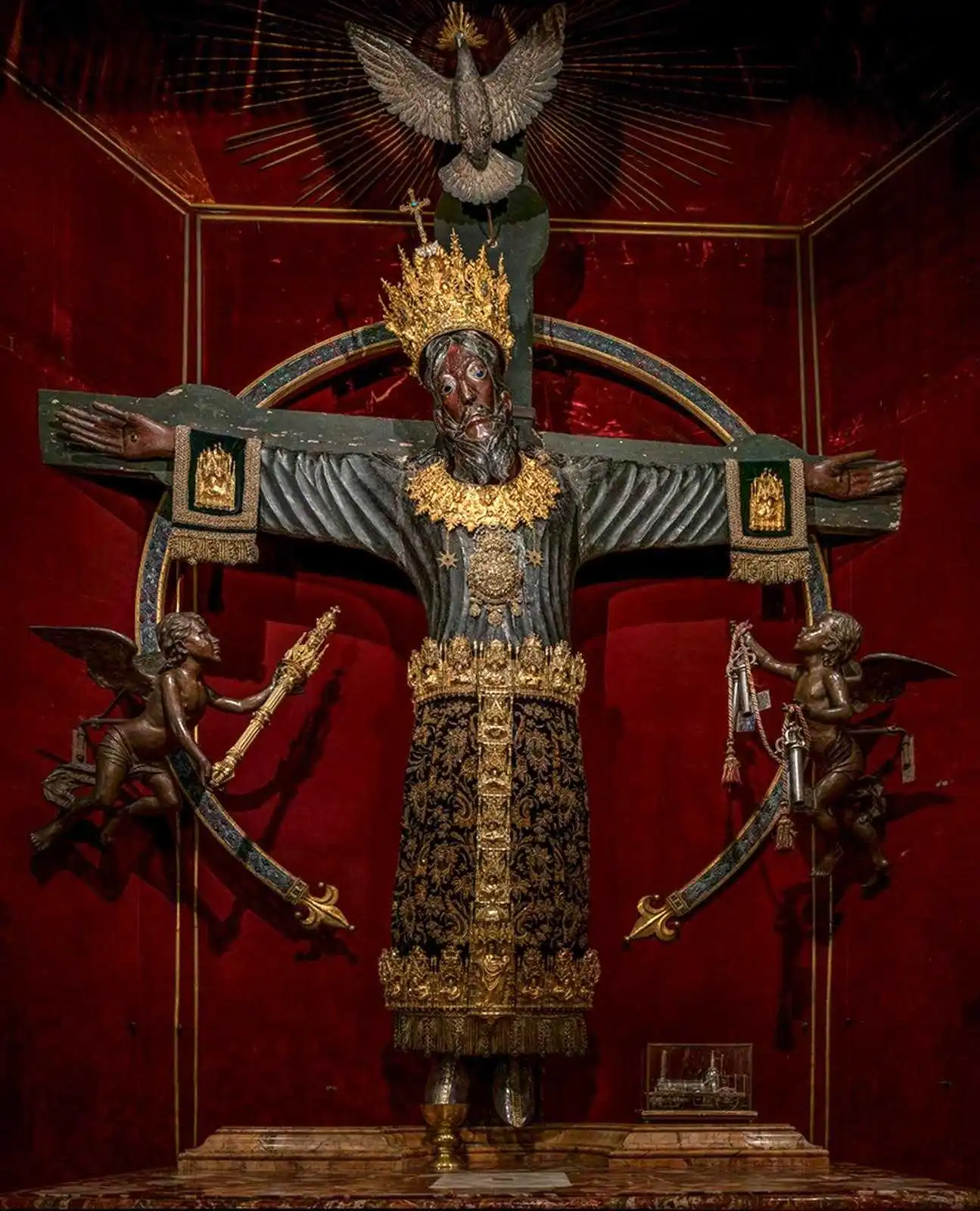
Lucca intending to kneel before the Volto Santo. Near Pietralunga, he
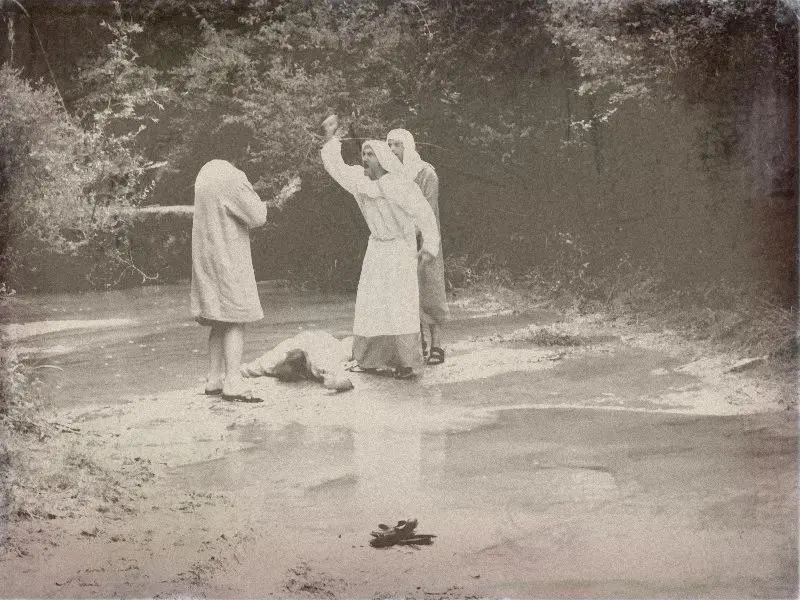
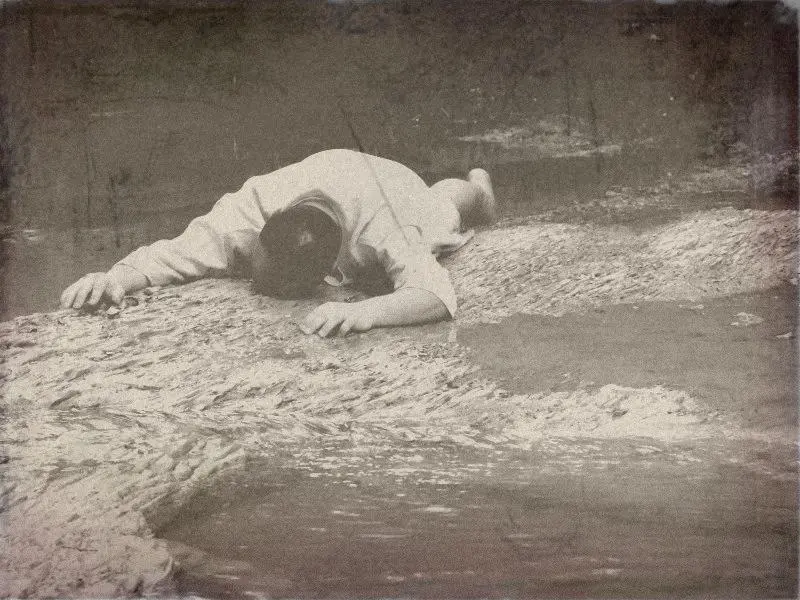
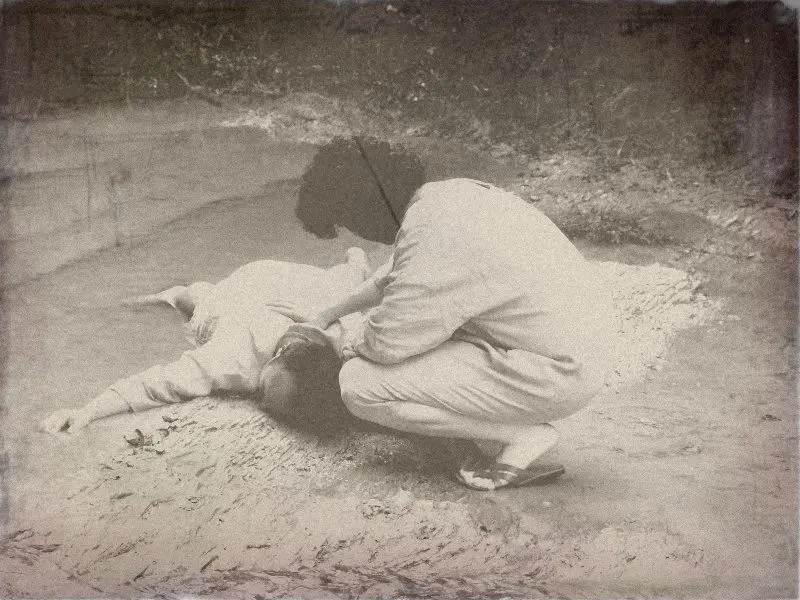
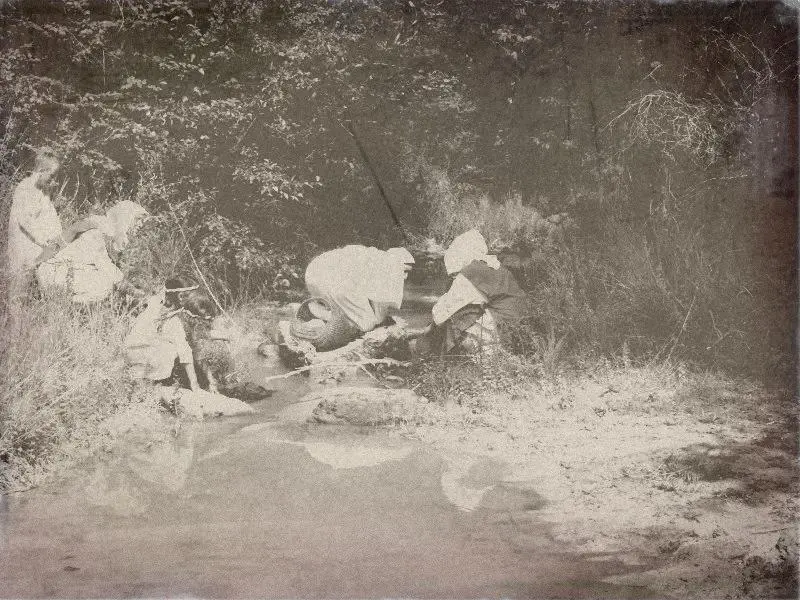
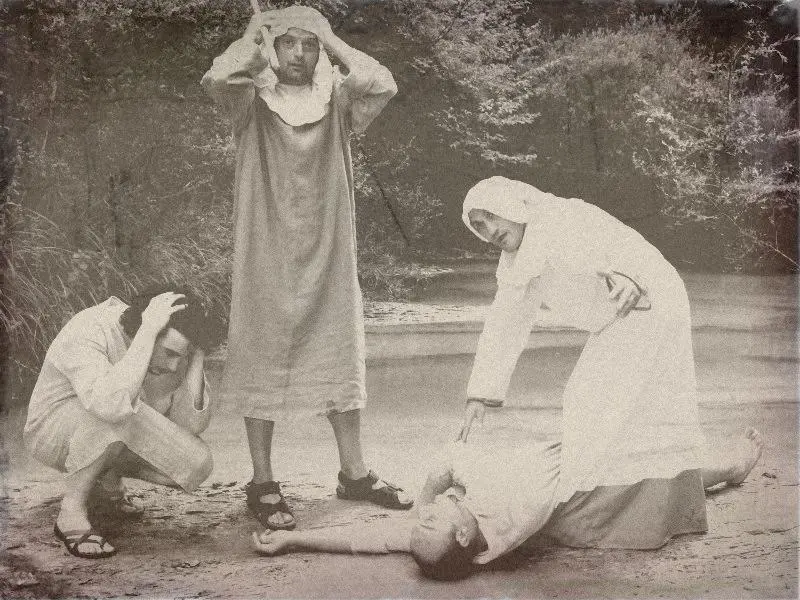
came across the body of a man lying by the river. Approaching to help,
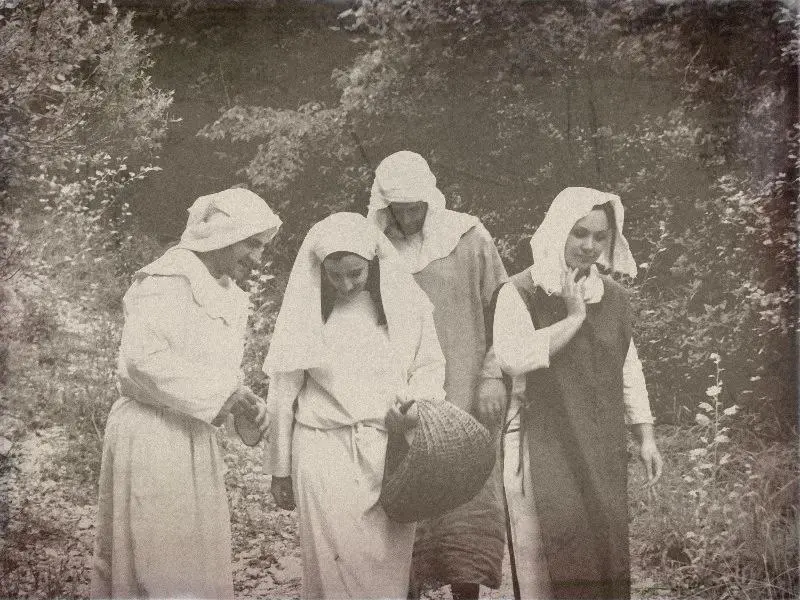
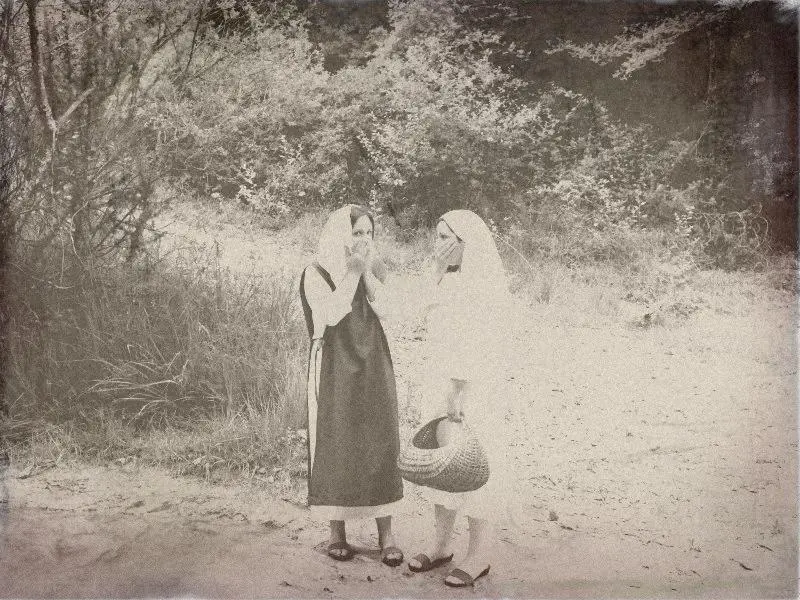
he realized the man was already dead. Some women who were washing
clothes nearby saw him at the scene and accused him of murder.
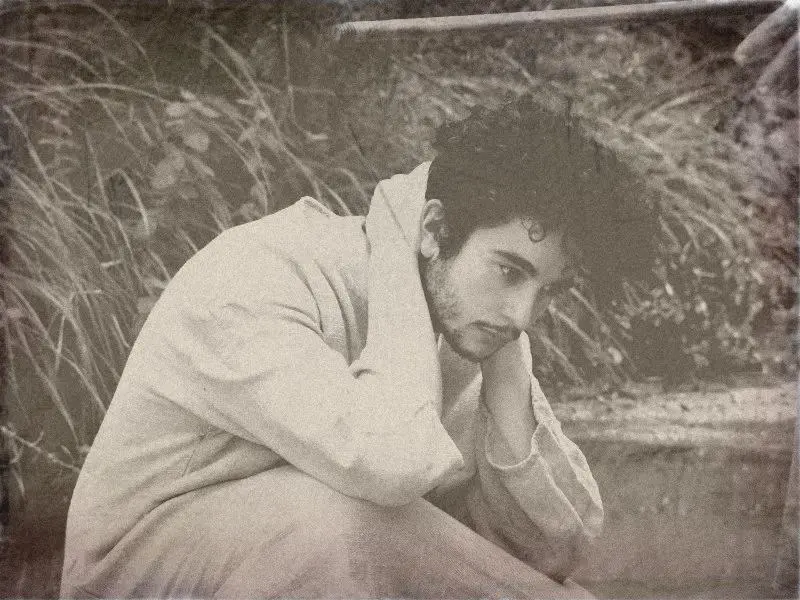
Giovanni was arrested and given a summary trial. Despite his
innocence, he was sentenced to death by beheading.
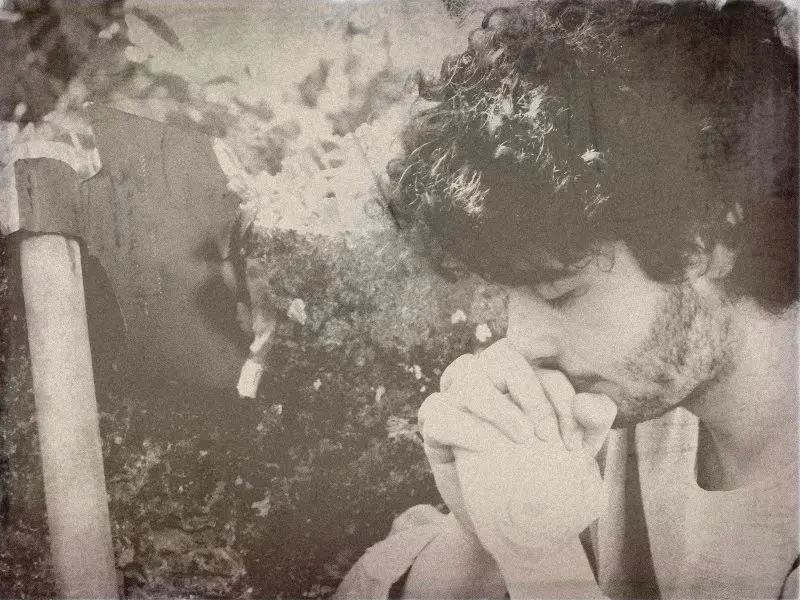
On the eve of the execution, Giovanni entrusted himself to the Volto
Santo, praying fervently and making a solemn vow. On the day of the
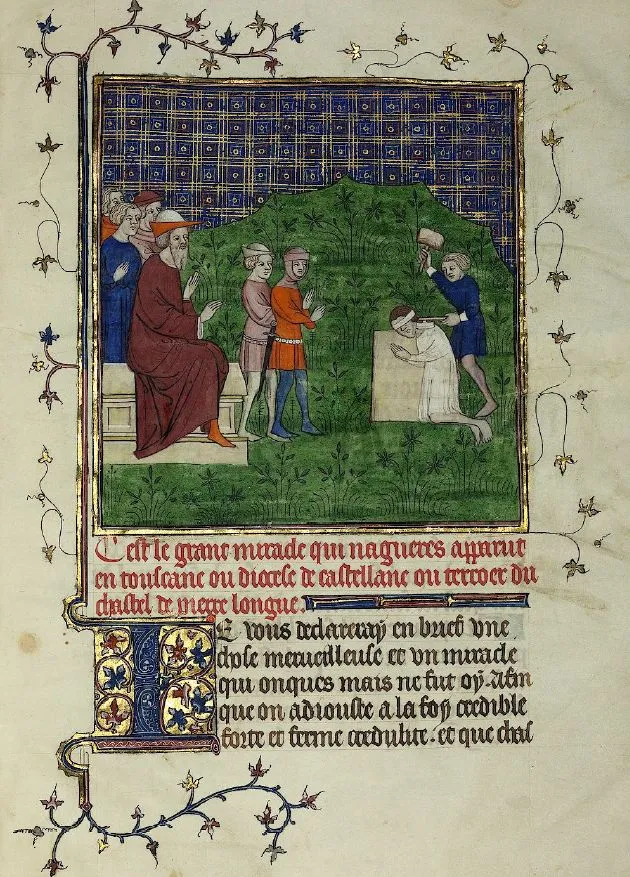
execution, as his head lay on the block, the executioner struck, but
the blade miraculously did him no harm. The execution was attempted
two more times, but each time the blade struck as if it had hit stone.
Witnessing this, the crowd cried out that it was a miracle, and
Giovanni was declared innocent and released.
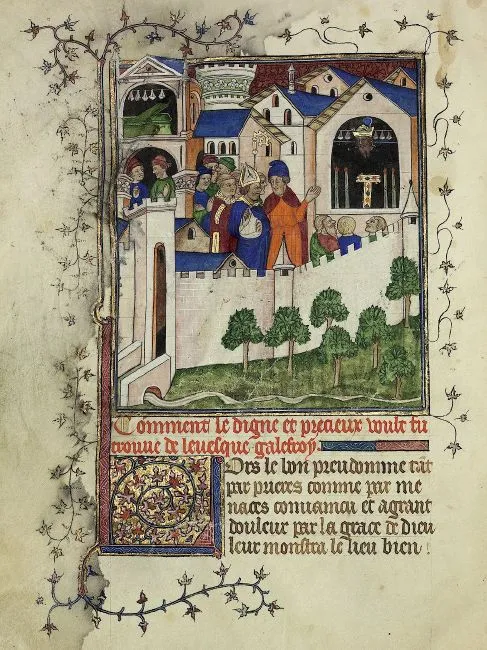
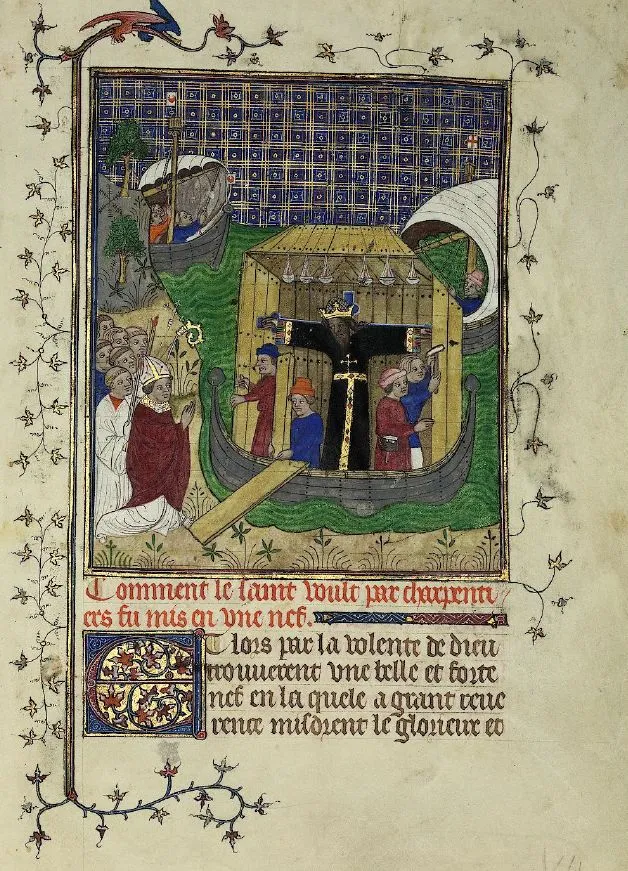
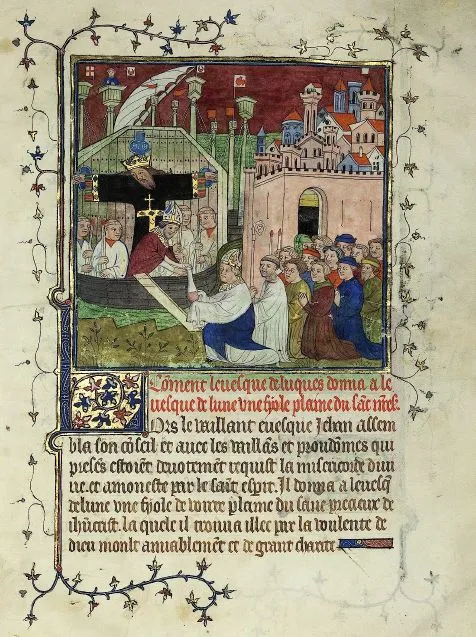
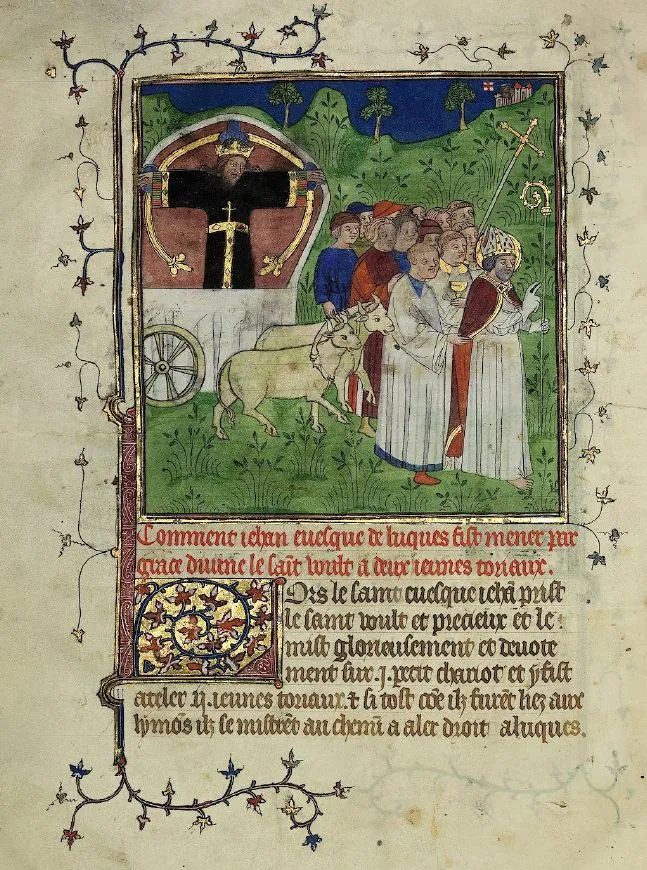
He traveled to Lucca to fulfill his vow and kneel before the Volto
Santo. There he was received by Bishop Guglielmo II di Montalbano, to
whom he recounted what had happened. The bishop, however, wanted
official confirmation of the miracle and asked for written testimony
and evidence.
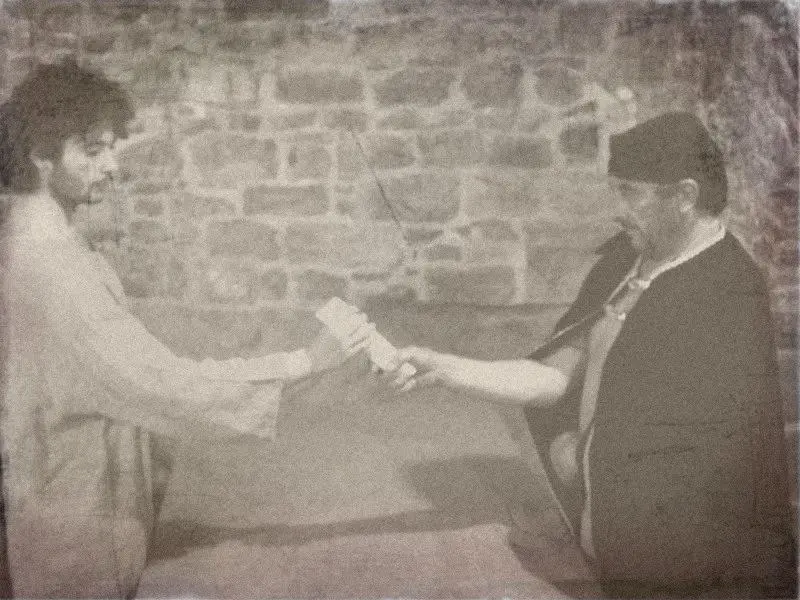
Giovanni returned to Pietralunga, where he obtained from the Podestà
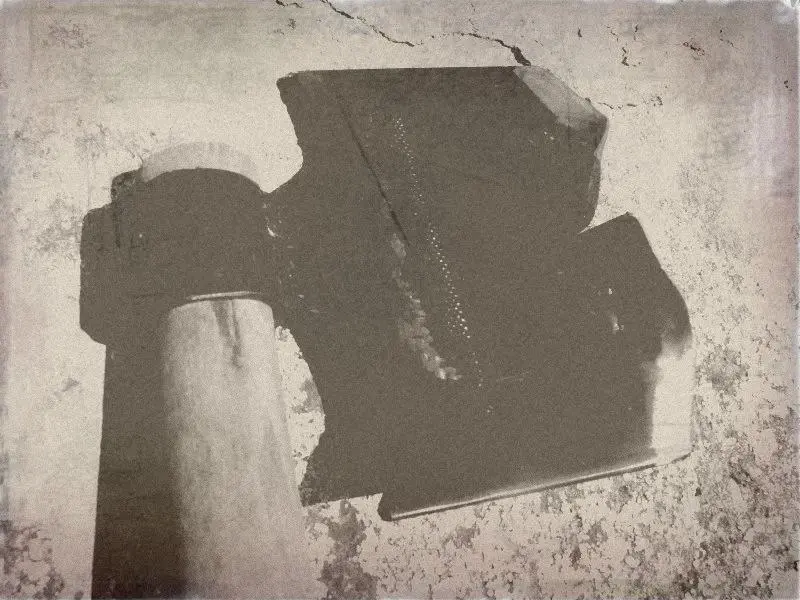
the execution blade and the official documents confirming the events.
These include autograph letters from the Podestà Branca de' Branci
(today kept in the library of the Convent of the Capuchin Friars of
Monte San Quirico, Lucca), the bishop's reply (held in the Biblioteca
Medicea-Laurenziana, the Laurentian Library), and the blade itself,
still displayed in the Cathedral of San Martino in Lucca, near the
Chapel of the Volto Santo.
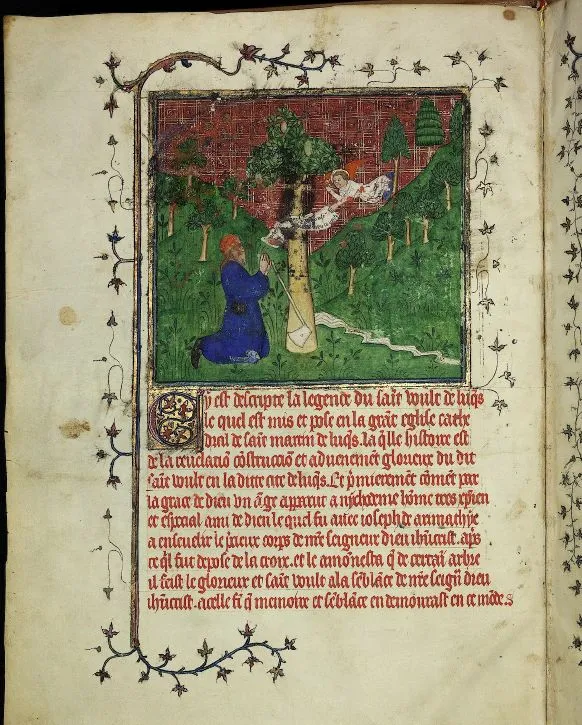
The miracle is also documented in numerous historical sources: in the
Historie delle miracolose immagini (Histories of Miraculous
Images, 1613), in the chapter "Miracolo del ferro che non ferisce gli
innocenti" (The Miracle of the Blade that Does Not Wound the
Innocent); in the Manuale Storico Universale (Universal
Historical Manual) by Giovan Battista Morganti; in the work of Prof.
Michele Camillo Ferrari, who carried out a detailed handwriting
analysis of the Podestà's letter; in Il Volto Santo in Europa
(The Volto Santo in Europe), which includes the bishop's letter and a
painting titled Il Volto Santo salva un innocente con il piede
(The Volto Santo Saves an Innocent Man with His Foot) (kept in the
municipal library of Mâcon); and in San Martino di Lucca. Gli
arredi del Duomo (San Martino of Lucca: The Cathedral's
Furnishings) by scholar Michele Bacci, who recounts the episode and
argues for the truthfulness of the miracle that took place in our land.
Finally, in the Cathedral of Lucca, facing the Chapel of the Volto
Santo, on the right-hand column where the execution blade is kept, a
marble plaque commemorates the miracle:
Stop for a moment and behold the wonder.
In the year of our Lord 1334, Giovanni di Lorenzo d'Arras, after
praying before this Holy Cross, was spared from death when the
blade did him no harm, revealing his innocence.
Falsely accused of murder, he offered his throat to the blade;
three times the iron turned gentle to save him.
Go, and remember: no prayer is more powerful than innocence in
working miracles.